
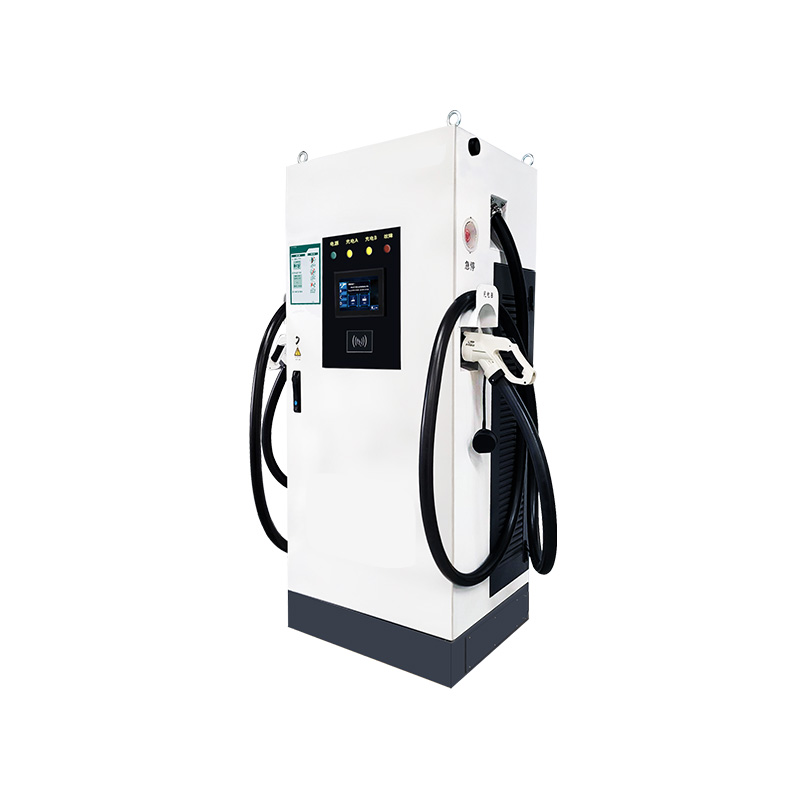
In a progressive step towards sustainable transportation and clean energy adoption, a new Electric Car Charging Station has been launched, utilizing cutting-edge solar power technology. This initiative marks a significant milestone in the integration of renewable energy with electric vehicle infrastructure, demonstrating a commitment to reducing carbon emissions and promoting environmental responsibility.
The Electric Car Charging Station is designed to offer a reliable, eco-friendly charging solution for electric vehicles (EVs), harnessing solar energy to power the facility. This integration not only decreases dependence on conventional electricity grids, which largely rely on fossil fuels, but also reduces operational costs and carbon footprint, making green mobility more accessible and affordable.
### Solar Technology at the Forefront
At the heart of this innovative charging station is the advanced solar power technology provided by one of China's premier suppliers of solar solutions. The company, based in Jiujiang, China, is renowned for its high-quality monocrystalline and polycrystalline solar panels. It stands as a leading manufacturer of solar batteries and solar modules, with extensive experience in creating both on-grid and off-grid solar systems.
By combining expertise in solar energy with the rising demand for electric vehicle infrastructure, the manufacturer delivers a comprehensive energy solution that powers charging stations through sustainable means. Their solar systems are known for their durability, efficiency, and adaptability, making them ideal for various applications—from residential solar setups to large-scale commercial and industrial projects.
### The Manufacturer Behind the Innovation
Jiujiang Xingli Beihai Composite Co., Ltd. has carved a distinct identity in the solar energy market. As a professional manufacturer and supplier of solar batteries and modules, the company excels in providing tailor-made energy solutions. Their products range from monocrystalline and polycrystalline solar panels, which capture solar energy efficiently, to integrated on-grid and off-grid solar systems that ensure consistent power supply regardless of local grid reliability.
Monocrystalline solar panels are known for their high efficiency and sleek design, making them especially suitable for space-constrained installations, while polycrystalline panels offer a cost-effective option without compromising performance. The company’s off-grid systems enable energy storage and independence in remote areas, while their on-grid solutions facilitate seamless integration with existing electrical infrastructure, allowing for excess energy to be fed back into the grid.
### Advantages of Solar-Powered EV Charging Stations
The launch of this solar-powered Electric Car Charging Station provides numerous benefits:
1. **Environmental Impact**: Using solar power drastically cuts greenhouse gas emissions associated with traditional electricity use. Charging EVs with clean energy significantly lowers overall carbon emissions compared to fossil-fuel-powered vehicles.
2. **Energy Independence**: By generating its own power, the charging station minimizes reliance on often unstable or fossil-fuel-dependent energy grids, ensuring continuous service even in power outages.
3. **Cost Efficiency**: Solar energy reduces operational costs by lowering electricity bills and maintenance expenses. Over time, the savings contribute to the affordability of charging stations and, by extension, e-mobility.
4. **Scalability and Flexibility**: The solar system can be expanded or adapted based on demand, geographic location, and available sunlight, facilitating deployment in urban, suburban, or even rural settings.
5. **Promotion of Renewable Energy**: The project exemplifies how renewable energy technologies can be harmonized with emerging trends like electric mobility, encouraging wider adoption among businesses and consumers alike.
### Supporting the Green Transition
As governments worldwide tighten regulations on emissions and incentivize electric vehicle use, the demand for accessible and sustainable EV infrastructure is escalating. Solar-powered charging stations offer a compelling solution by aligning with broader energy transition goals.
The involvement of established solar technology providers from China highlights the vital role of innovation and manufacturing excellence in driving green energy adoption. Companies like Jiujiang Xingli Beihai Composite Co., Ltd. facilitate this transformation by delivering high-performance solar modules and comprehensive solar power systems tailored to diverse needs.
### Future Prospects and Developments
The new Electric Car Charging Station sets a precedent for future projects that merge renewable energy with electric transportation infrastructure. Looking ahead, the integration of energy storage solutions, smart grid technologies, and IoT-enabled monitoring systems promises to enhance efficiency, user experience, and grid management.
As solar technology continues to advance—yielding higher efficiency panels, improved energy storage, and lower costs—solar-powered EV charging stations are poised to become increasingly mainstream. This not only supports sustainable transportation but also accelerates the global shift towards cleaner, decentralized energy systems.
### Conclusion
The recently inaugurated Electric Car Charging Station, powered by state-of-the-art solar technology, exemplifies the synergy between renewable energy and electric mobility. Supported by reliable and efficient solar modules and systems from a leading Chinese manufacturer specializing in monocrystalline and polycrystalline solar panels, the project pioneers a sustainable path forward.
Through this and similar initiatives, the twin goals of reducing environmental impact and advancing smart, clean transportation infrastructure are brought closer to reality. As the world embraces the future of clean energy and electric vehicles, solar-powered charging stations will stand at the forefront of this transformative journey, empowering communities, businesses, and consumers to drive change.