
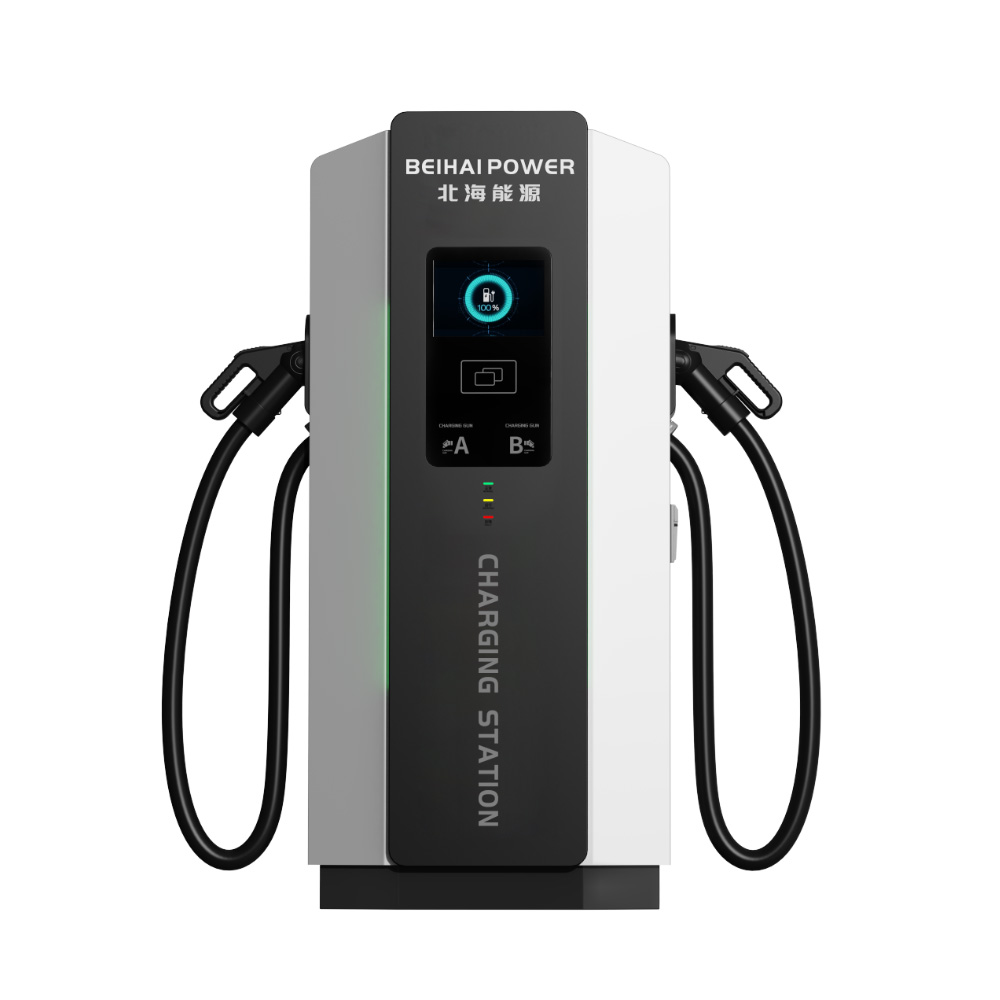
As electric vehicles (EVs) steadily gain popularity worldwide, the need for convenient and eco-friendly charging solutions becomes more critical than ever. One of the most practical options for EV owners is charging at home, providing unmatched convenience and often lower costs compared to public charging stations. With the growing emphasis on sustainability and reducing carbon footprints, combining home EV charging with solar energy systems is revolutionizing the way consumers power their vehicles.
### The Rise of Home Electric Vehicle Charging
Charging an electric car at home is not just about convenience—it’s about control over energy consumption and long-term savings. EV owners no longer need to rely solely on public charging infrastructure that can be crowded or costly; instead, they can plug in their vehicles overnight or whenever it suits their schedule.
However, the environmental benefits of electric vehicles are greatly amplified when the electricity used for charging is sourced from renewable energy. This is where integrating solar energy systems comes into play. By using solar panels installed on the rooftop or in the property area, homeowners can generate clean energy to power not only their homes but also their electric cars, significantly reducing reliance on fossil fuels.
### Harnessing Solar Power for EV Charging
Solar power is one of the most abundant and sustainable energy sources available, making it an ideal pairing for electric vehicle charging. Solar photovoltaic (PV) panels convert sunlight into electricity, which can then be used directly or stored in batteries for later use. When combined with an electric car, a solar energy system allows users to fully “green” their transportation, lowering their carbon footprint and contributing to a more sustainable future.
This trend is particularly prominent in regions with abundant sunlight, where solar systems can generate enough power to cover both household energy needs and EV charging demands. Even in less sunny areas, advances in solar technology and battery storage are making solar-powered EV charging increasingly feasible.
### The Role of On-Grid and Off-Grid Solar Systems
Homeowners looking to adopt solar-powered EV charging have two primary options: on-grid (grid-tied) and off-grid solar systems.
**On-grid solar systems** are connected to the local utility grid. These systems allow homeowners to use solar power when available and draw electricity from the grid when solar generation is insufficient. Excess solar energy can be fed back into the grid, often earning the owner credits or compensation through net metering policies. This setup provides a flexible and reliable energy supply while maximizing the use of renewable energy.
**Off-grid solar systems**, on the other hand, operate independently from the utility grid and usually require battery storage to supply energy when the sun is not shining. Off-grid systems are ideal for remote locations or homeowners who desire complete energy independence. With sufficient solar capacity and battery storage, an off-grid system can reliably power a home and charge an EV, even in the absence of utility infrastructure.
### Expertise from a Leading Solar Supplier
The successful integration of an effective solar system for home EV charging depends significantly on the quality of the solar panels and components used. A reliable supplier ensures not only high-efficiency panels but also tailored system designs that meet the specific needs of homeowners.
Jiujiang Xingli Beihai Composite Co., Ltd., based in China, stands out as a premier supplier in this sector. Recognized as one of China’s best suppliers of solar panels, including both monocrystalline and polycrystalline types, the company offers a range of products suitable for diverse applications. Their expertise includes manufacturing high-quality solar batteries and modules and providing both on-grid and off-grid solar systems.
With a strong emphasis on innovation and quality, the company supplies systems that optimize energy production and storage, ensuring that homeowners can confidently use solar energy to power their electric cars. Their solutions are ideal for residential customers looking to invest in sustainable energy infrastructure that supports their green transportation goals.
### Advantages for Consumers
Adopting a home solar-powered EV charging system offers multiple advantages:
1. **Cost Savings:** By generating their own electricity, consumers can significantly reduce or eliminate their electricity bills, especially when charging their EVs during the day using solar power.
2. **Environmental Impact:** Solar energy is clean and renewable, meaning that EVs charged with solar power contribute to zero greenhouse gas emissions during operation, aiding global efforts against climate change.
3. **Energy Independence:** Solar systems provide a measure of independence from fluctuating energy prices and utility outages, ensuring consistent access to charging for EV owners.
4. **Increased Property Value:** Installing high-quality solar panels often increases a property’s market value, making it an investment in both sustainability and real estate.
### Future Outlook
As technology advances and the cost of solar equipment continues to decrease, more homeowners are expected to embrace the synergy between solar energy and electric vehicle charging. Government incentives and subsidies for clean energy and EV adoption further support this transition, making it economically attractive.
Suppliers like Jiujiang Xingli Beihai Composite Co., Ltd. play a critical role in this green revolution by providing reliable, efficient, and customizable solar solutions. Their product range and system expertise enable consumers to develop comprehensive solar setups tailored to their specific energy and transportation needs.
### Conclusion
Home electric car charging, complemented by solar energy systems, represents a promising step toward a sustainable and energy-efficient future. By utilizing clean, renewable solar power to charge electric vehicles, homeowners can enjoy cost savings, reduce their carbon footprint, and contribute meaningfully to global efforts against climate change.
With the support of experienced solar technology providers offering high-quality PV panels, batteries, and complete solar solutions, this vision is becoming a reality for more and more people worldwide. The combination of electric vehicles and solar power is not just a trend but a transformative approach forging the path to a cleaner, greener planet.