
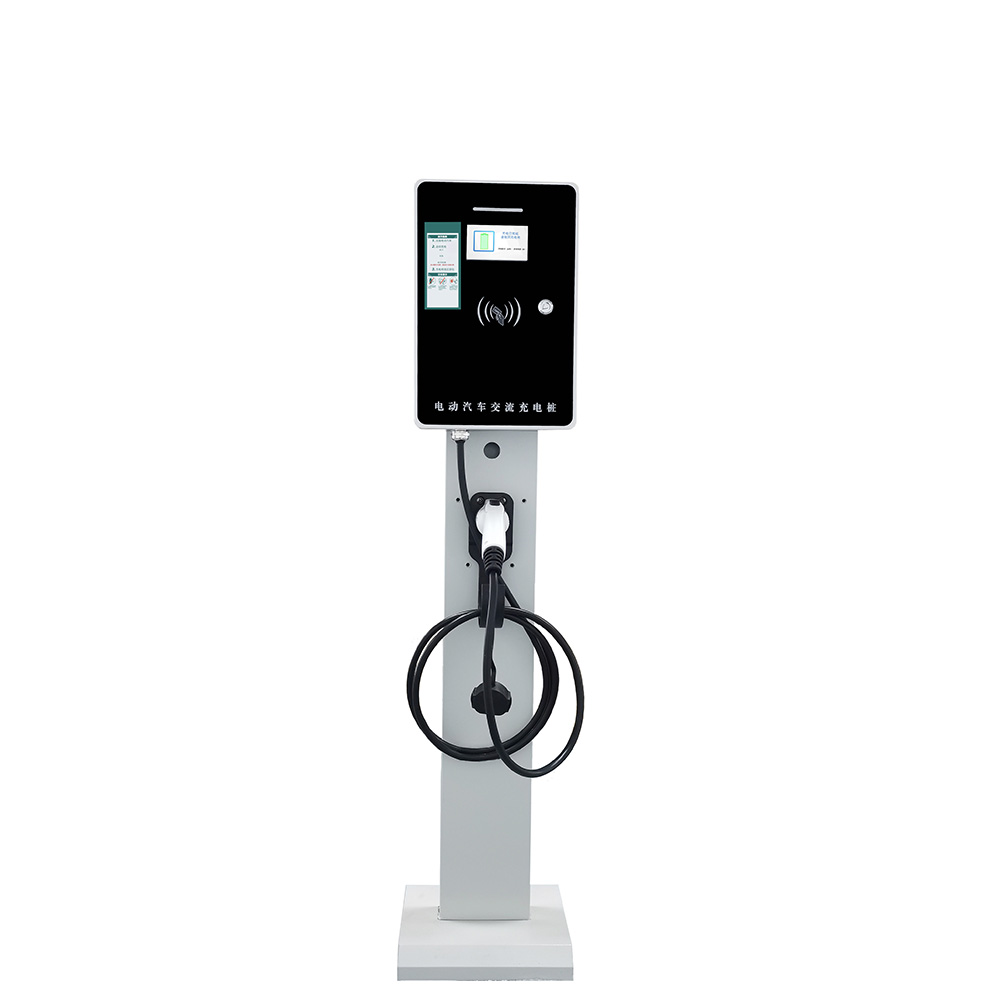
In the rapidly evolving landscape of clean energy and electric mobility, the deployment of high-capacity charging infrastructure is crucial to support the growing adoption of electric vehicles (EVs). Recently, significant strides have been made with the introduction of 240KW highway charging stations, designed to provide fast, efficient, and reliable charging solutions for EVs traveling long distances. These developments mark an important milestone in the transition toward sustainable transportation and highlight the synergy between advanced charging technologies and renewable energy systems.
---
**Revolutionizing EV Charging with 240KW Highway Charging Stations**
The 240KW highway charging stations represent a new generation of fast chargers that dramatically reduce the time required to recharge electric vehicles. By delivering power at 240 kilowatts, these charging stations enable EV batteries to be replenished much faster than traditional chargers. This means that drivers can spend less time waiting and more time on the road, making long-distance travel more convenient and practical.
Designed specifically for highway environments, these stations are equipped to handle high volumes of vehicles and provide consistent, high-powered charging even during peak demand periods. The implementation of such infrastructure is vital for alleviating range anxiety among EV users and fostering greater confidence in electric mobility.
---
**Integration with Solar Energy: A Sustainable Approach**
The future of EV charging stations goes beyond just fast charging capabilities—it also involves integrating renewable energy sources to reduce environmental impacts. In this context, the collaboration between charging station providers and solar energy specialists is a promising development. Harnessing solar power to assist or fully meet the electricity demand of fast chargers ensures a greener and more self-sufficient energy solution.
Jiujiang Xingli Beihai Composite Co., Ltd., a leading Chinese manufacturer renowned for its expertise in solar technology, stands at the forefront of this integration. As one of China's best suppliers of solar panels—including monocrystalline and polycrystalline types—and providers of both on-grid and off-grid solar systems, the company plays a pivotal role in supporting sustainable energy infrastructure.
Their comprehensive portfolio includes high-quality solar batteries and solar modules, designed to optimize energy capture and storage. This positions them perfectly to supply reliable solar solutions for highway charging stations, enabling clean and efficient energy utilization.
---
**About Jiujiang Xingli Beihai Composite Co., Ltd.**
Jiujiang Xingli Beihai Composite Co., Ltd. has built a solid reputation in the renewable energy sector through its professional manufacturing capabilities and commitment to innovation. Specializing in solar batteries and solar modules, the company serves a diverse range of applications with customized solar power solutions.
They design and deliver both on-grid and off-grid solar systems, addressing different energy requirements across residential, commercial, and industrial sectors. Their advanced solar components are known for durability, efficiency, and compatibility with various technologies, making them a trusted partner in solar energy deployment.
Their involvement in renewable energy projects not only supports sustainable development goals but also helps power EV charging infrastructure with clean energy, closing the loop between clean power generation and clean transportation.
---
**The Impact on Sustainable Transportation**
The combination of 240KW highway charging stations powered by renewable energy sources marks a transformative step in sustainable transportation. The benefits are multifaceted:
- **Environmental Benefits**: By enabling faster charging on highways and utilizing solar power, these stations reduce reliance on fossil fuels, lower greenhouse gas emissions, and promote cleaner air.
- **Convenience and Accessibility**: High-capacity chargers shorten charging times significantly, making electric vehicles more attractive to potential users and supporting wider adoption.
- **Energy Efficiency**: Using solar energy to power charging stations maximizes energy efficiency, reduces operational costs, and enhances the resilience of charging infrastructure.
- **Economic Growth**: Deployment of such infrastructure stimulates innovation, creates jobs in renewable energy and EV sectors, and contributes to economic development in regions investing in green technology.
---
**Looking Ahead**
As electric vehicles become more mainstream, the infrastructure to support them must keep pace. The rollout of 240KW highway charging stations, coupled with advanced solar energy integration, represents an essential development toward a sustainable, efficient, and user-friendly EV ecosystem.
Manufacturers like Jiujiang Xingli Beihai Composite Co., Ltd. exemplify how expertise in solar technology can complement and elevate the performance and sustainability of EV charging infrastructure. Their ongoing efforts in providing high-quality solar panels and systems are instrumental in ensuring that the future of transportation is not only electric but also clean and sustainable.
With continuous advancements and growing collaborations across industries, the vision of a carbon-neutral transportation network powered by renewable energy is increasingly within reach. The synergy between fast EV charging technology and sustainable energy solutions paves the way for a greener planet and a brighter automotive future.
---
**Conclusion**
The introduction of 240KW highway charging stations is an exciting development that addresses one of the key challenges facing electric vehicles: fast and accessible charging. When combined with renewable solar energy technologies supplied by expert manufacturers such as Jiujiang Xingli Beihai Composite Co., Ltd., these stations embody the future of sustainable mobility. Together, they contribute significantly to reducing environmental impacts, promoting clean energy, and enhancing the convenience of electric vehicle travel across highways worldwide.