
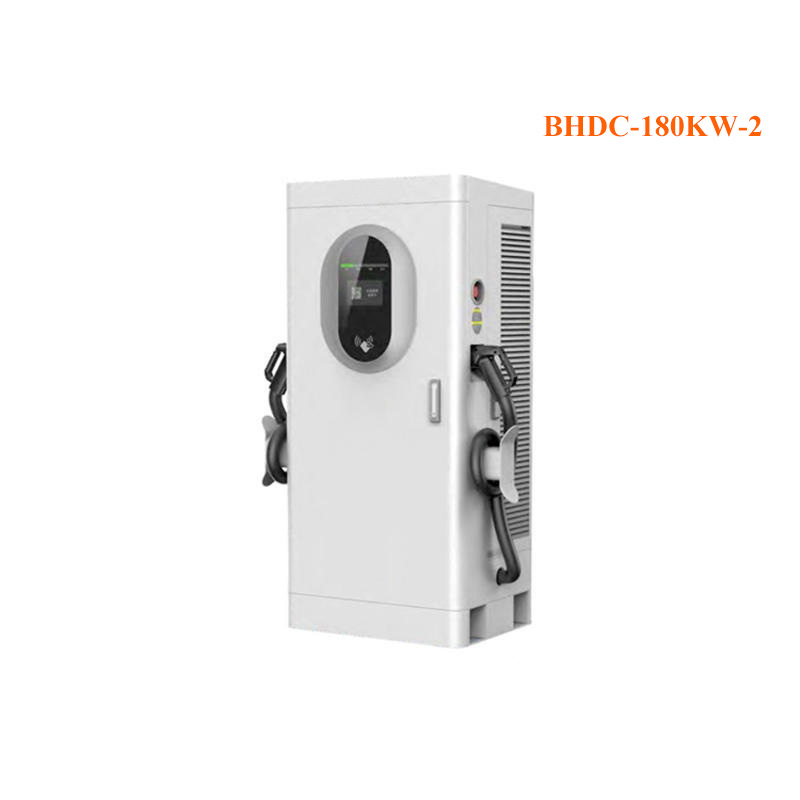
As the global push towards sustainable energy and green mobility accelerates, the integration of renewable energy technologies with electric vehicle (EV) infrastructure has become an imperative for a cleaner future. A prominent development in this field is the increasing deployment of DC fast chargers, which significantly reduce the charging time for electric vehicles, enhancing convenience and helping to boost EV adoption worldwide.
In tandem with this technological progress, companies specializing in solar energy solutions are playing a crucial role in shaping the landscape of clean energy transportation. One such company, Jiujiang Xingli Beihai Composite Co., Ltd., based in China, has established itself as a leading supplier of solar panels and integrated solar solutions. Known for its professional manufacturing of solar batteries and modules, this company supplies high-quality monocrystalline and polycrystalline solar panels and delivers both on-grid and off-grid solar systems that meet diverse energy needs.
**What Are DC Fast Chargers?**
DC fast chargers represent a cutting-edge charging technology designed to deliver high voltage direct current electricity directly to electric vehicles, bypassing typical alternating current (AC) conversion stages involved in ordinary charging. This results in dramatically reduced charge times, allowing EV drivers to recharge their vehicles to 80% capacity within as little as 30 minutes or less. This convenience is a significant step toward overcoming one of the key challenges facing EV adoption: range anxiety and lengthy charging intervals.
**Synergy with Solar Energy Systems**
Integrating DC fast chargers with solar power systems is an innovative solution that aligns the goals of renewable energy generation and sustainable transportation. By coupling fast chargers with solar panels and energy storage solutions, it becomes possible to provide green, on-site energy for EVs while reducing reliance on fossil-fuel-powered electricity grids. This approach not only decreases the carbon footprint of electric vehicles but also ensures energy resilience and offers cost savings over the long term.
Jiujiang Xingli Beihai Composite Co., Ltd. is at the forefront of enabling these advancements. Through its expertise in manufacturing reliable and efficient solar batteries and both monocrystalline and polycrystalline solar modules, the company supports the deployment of scalable solar power systems. Whether it’s an on-grid system integrated seamlessly with the local power infrastructure or an off-grid system designed for remote or self-sufficient operation, their products provide the foundation needed to power a green EV charging ecosystem.
**Company Profile: Jiujiang Xingli Beihai Composite Co., Ltd.**
Recognized as one of the best suppliers in China of solar panels and comprehensive solar systems, Jiujiang Xingli Beihai Composite Co., Ltd. specializes in developing innovative solar battery technologies alongside high-performance solar modules. Their manufacturing facilities adopt strict quality controls, ensuring products that excel in energy conversion efficiency, durability, and reliability.
The company caters to a wide range of markets, delivering tailored solar energy solutions for residential, commercial, and industrial applications. By focusing on both monocrystalline and polycrystalline panel technologies, they offer customers flexibility in terms of efficiency and cost, enabling effective system design optimized for any specific installation.
Importantly, the company's ability to produce both on-grid and off-grid solar systems allows for diverse deployment scenarios. On-grid systems channel electricity back into the public power network, aiding in load balancing and distributed generation, while off-grid solutions provide essential power in areas lacking reliable grid access. This versatility allows Jiujiang Xingli Beihai Composite Co., Ltd. to support sustainable energy projects of varying scale and complexity.
**Driving the Future of Sustainable Transport**
The collaboration of advanced EV charging infrastructure with renewable energy solutions is revolutionizing how the transportation sector approaches sustainability. As urbanization and environmental concerns grow, the integration of DC fast chargers powered by solar energy is emerging as a benchmark for smart city planning and green mobility frameworks.
China, in particular, stands as a global leader in both solar energy production and electric vehicle adoption. Manufacturers like Jiujiang Xingli Beihai Composite Co., Ltd. contribute significantly to this leadership by providing key components and systems that enable countries worldwide to shift to cleaner transport options. The synergy between solar technology and EV charging infrastructure promises not only environmental benefits but also economic opportunities in terms of manufacturing, installation, and maintenance of renewable energy and transportation equipment.
**Conclusion**
The expanding availability and deployment of DC fast chargers, combined with high-quality solar power systems from established manufacturers, represents a pivotal development in promoting sustainable energy consumption within the electric vehicle sector. Jiujiang Xingli Beihai Composite Co., Ltd.'s expertise as a leading supplier of solar batteries, modules, and integrated solar systems furnishes the essential building blocks for this green energy transformation.
As the demand for quick and efficient EV charging grows, the adoption of solar-powered DC fast chargers stands out as a responsible and forward-thinking solution. This approach not only enhances renewable energy utilization but also supports global efforts to reduce greenhouse gas emissions and combat climate change, paving the way for a cleaner, greener, and more sustainable transportation future.