
As the global push towards clean energy accelerates, electric vehicles (EVs) and renewable energy sources have become increasingly central to sustainable development goals. Among the critical infrastructure supporting this green transition are electric car charging stations, whose prices and availability significantly impact the adoption rate of EVs. Simultaneously, the solar energy market, particularly in China, is witnessing rapid growth thanks to technological advancements and the emergence of professional suppliers of solar panels and solar energy systems. This article explores the current landscape of electric car charging stations prices and highlights the important role of Chinese manufacturers in advancing solar energy solutions.
**Electric Car Charging Stations Prices – An Overview**
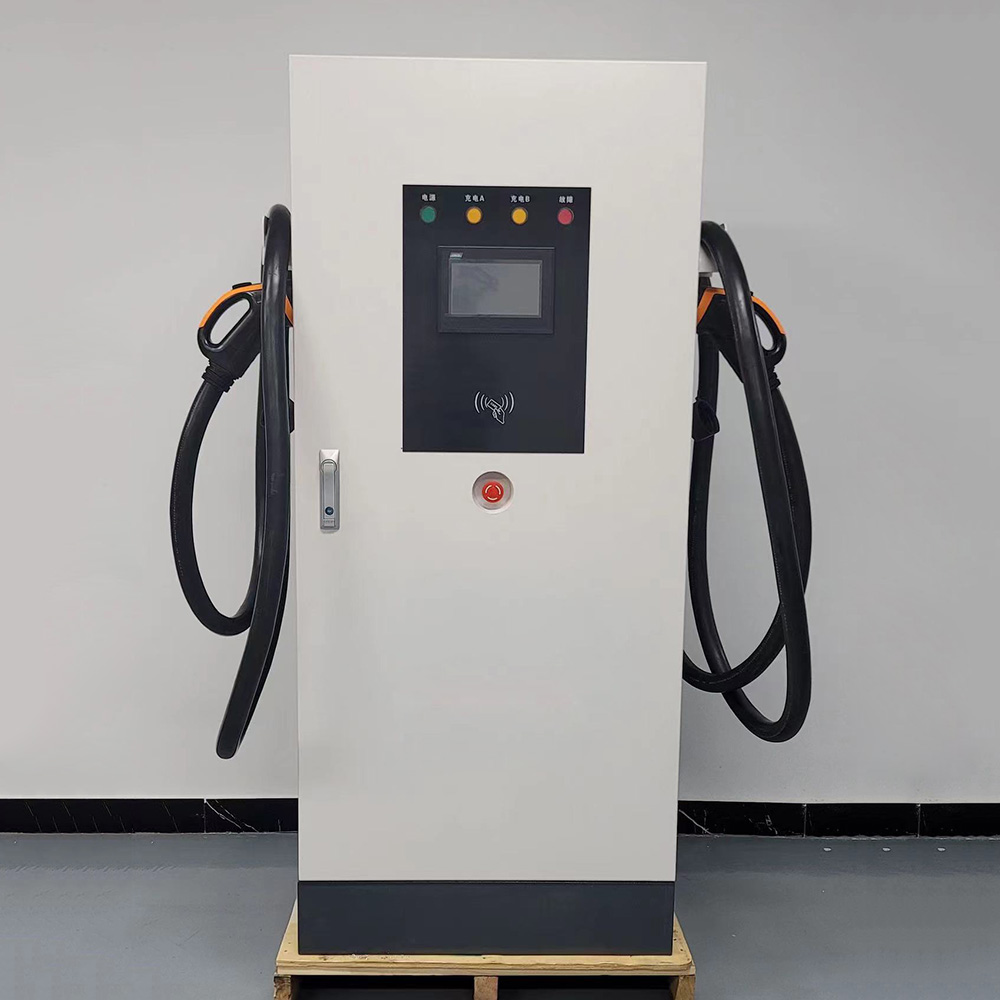
Electric car charging stations are an essential component of the electric mobility ecosystem. They provide the energy needed to recharge EVs, ensuring mobility and convenience for users. The prices of these charging stations vary widely depending on factors such as charging speed (level 1, level 2, or DC fast charging), installation complexity, location, and brand.
Generally, basic home charging stations (Level 1) that plug into a standard household outlet can cost anywhere between $300 to $700. Level 2 chargers, which operate at higher voltages and provide faster charging, are priced between $500 and $2,000 for the unit itself. Installation costs can add another $500 to $2,000, depending on electrical upgrades needed and the site's conditions.
Public DC fast charging stations, capable of charging an EV in under an hour, are much more expensive. These units often cost $10,000 to $50,000 or more, excluding installation. Additional costs arise from network connectivity, communication protocols for billing, and maintenance services. As EV adoption continues to rise, economies of scale and technological improvements are expected to bring down these prices over time.
Government incentives and subsidies in various countries also play a significant role in reducing the deployment cost of charging infrastructure. Investment in charging stations is a critical enabler for EV market growth, alleviating the range anxiety often cited by potential EV buyers.
**China’s Role in Renewable Energy and Solar Solutions**
China stands as a global leader in both EV manufacturing and renewable energy production. The country’s commitment to reducing carbon emissions has catalyzed massive investments in renewable energy infrastructure, particularly solar power. At the heart of this transformation are manufacturers that supply high-quality solar panels and complete solar energy systems.
Among the prominent names in this sector is Jiujiang Xingli Beihai Composite Co., Ltd., a professional manufacturer based in China. The company specializes in producing monocrystalline and polycrystalline solar panels, which are essential components for both grid-tied and off-grid solar systems.
**Monocrystalline and Polycrystalline Solar Panels**
Monocrystalline solar panels are made from single-crystal silicon and are known for their high efficiency and sleek black appearance. They perform better in low-light conditions and occupy less space, making them suitable for rooftop installations where area is limited.
Polycrystalline solar panels, on the other hand, are produced from multiple silicon crystals melted together. They have a characteristic blue hue, are generally less expensive to manufacture, and offer slightly lower efficiency compared to monocrystalline types. However, their cost-effectiveness makes them a popular choice in large-scale solar farms and budget-conscious installations.
Jiujiang Xingli Beihai Composite Co., Ltd.'s expertise in producing both types ensures they can cater to a broad spectrum of customer needs, whether residential, commercial, or utility-scale projects.
**On-Grid and Off-Grid Solar Systems**
The company also designs and supplies both on-grid and off-grid solar systems. On-grid (or grid-tied) solar systems are connected directly to the utility power grid. Excess electricity generated during sunny periods can be fed back into the grid, often earning credits or payments for the system owner through net metering schemes. On-grid systems are popular in urban and suburban areas with reliable grid access.
Off-grid solar systems operate independently of the utility grid. They are designed to provide power in remote or rural locations where the electricity grid is unavailable or unreliable. These systems typically include battery storage to supply electricity during nighttime or cloudy conditions.
Jiujiang Xingli Beihai Composite Co., Ltd. has earned a reputation for delivering customized solar solutions that meet the diverse requirements of customers worldwide. Their professional manufacturing capabilities ensure quality, reliability, and adherence to international standards.
**Synergy Between Solar Energy and Electric Vehicle Charging**
The integration of solar energy systems with electric vehicle charging stations presents significant opportunities for sustainable development. Using solar power to charge EVs drastically reduces the carbon footprint associated with electric mobility. Homeowners and businesses equipped with solar panels can benefit from lower energy costs and increased energy independence.
In addition, solar-powered charging stations located in public areas or along highways can enable EV users to recharge using clean energy seamlessly. This synergy contributes to reducing reliance on fossil fuels and mitigating greenhouse gas emissions.
As the prices of electric car charging stations gradually become more affordable, driven by technological advances and increased demand, the parallel growth of high-quality solar energy solutions offered by manufacturers like Jiujiang Xingli Beihai Composite Co., Ltd. will be instrumental in supporting the green energy ecosystem.
**Looking Ahead**
The transition to electric vehicles coupled with the widespread adoption of solar energy holds great promise for combating climate change and fostering sustainable economic growth. Keeping electric car charging stations affordable and accessible remains a priority for governments and industry players globally.
In China, the vibrant solar manufacturing industry exemplified by companies that produce efficient solar panels and robust solar systems is key to meeting these goals. Their contributions ensure that renewable energy solutions continue to advance, ultimately enabling cleaner transportation and energy consumption.
Consumers and businesses interested in integrating solar solutions with EV charging infrastructure can look to these established suppliers for reliable, high-performance products tailored to diverse applications. This combined approach will be vital for creating a flexible, sustainable energy future that benefits all.