
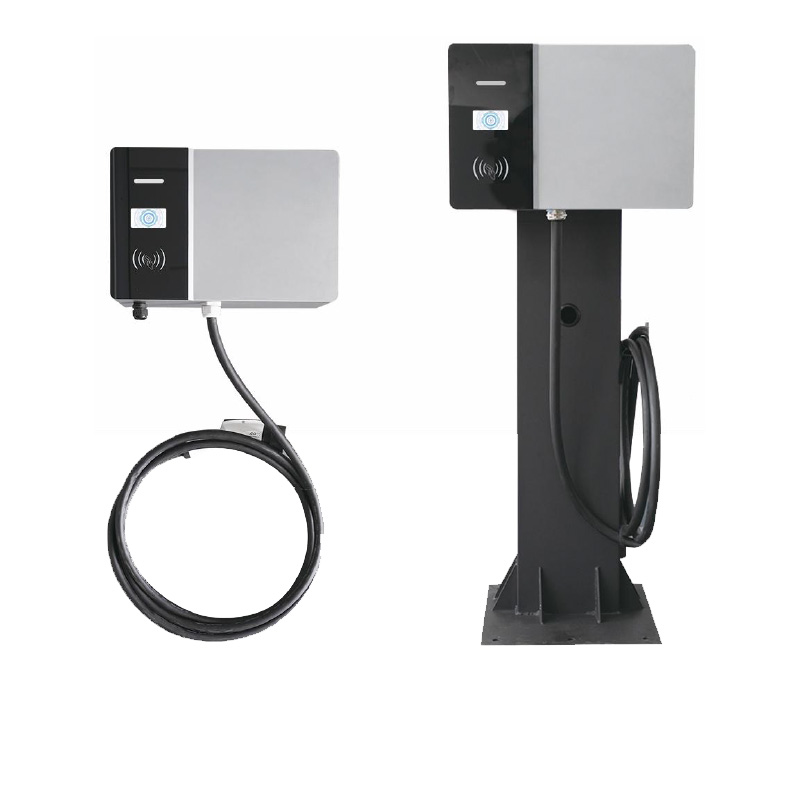
In the rapidly evolving landscape of sustainable transportation, the demand for effective and efficient electric vehicle (EV) charging infrastructure is surging globally. Among various charging solutions, Level 3 charging stations have emerged as a game-changer, enabling faster charging times and greater convenience for EV users. This innovation is crucial for accelerating the adoption of electric vehicles and reducing reliance on traditional fossil fuels.
Level 3 charging stations, also known as DC fast chargers, provide high-power direct current (DC) charging that can replenish an EV’s battery to 80% within 30 to 60 minutes, depending on the vehicle model and battery capacity. This is a significant improvement over Level 1 and Level 2 chargers, which typically require several hours for a full charge. The rapid charging capability of Level 3 stations makes long-distance travel more feasible and reduces range anxiety among EV drivers.
One of the key factors driving the deployment of Level 3 charging stations is the integration of renewable energy sources, particularly solar power. Harnessing solar energy to power EV chargers not only decreases the carbon footprint associated with electricity generation but also enhances energy security and reduces operational costs. This synergy between solar power and electric mobility exemplifies the future of sustainable transportation infrastructure.
A leading contributor to the advancement of solar-powered EV charging is a reputable Chinese company specializing in solar technology solutions. This company is recognized as one of China’s premier suppliers of high-quality solar panels, including both monocrystalline and polycrystalline varieties, known for their efficiency and durability. Their expertise extends to the design, manufacturing, and supply of comprehensive solar systems, catering to on-grid and off-grid applications.
Their monocrystalline solar panels are crafted to deliver superior performance with high energy conversion rates, making them ideal for commercial and residential solar installations. In contrast, their polycrystalline panels offer a cost-effective solution without compromising on quality, providing flexibility for diverse customer needs. Together, these solar products form the backbone of reliable and efficient solar power systems.
The company’s strength lies not only in solar panel production but also in its capability to engineer integrated solar power systems. These systems can be configured for on-grid setups, which feed excess generated electricity back into the utility grid, or off-grid solutions designed for remote locations where grid connectivity is unavailable or unreliable. Such versatility ensures that solar power can be effectively utilized in a wide range of scenarios, including powering EV charging stations.
By leveraging advanced solar technologies, the company supports the installation of renewable energy-powered Level 3 charging stations. This approach enhances the sustainability of EV infrastructure by reducing dependence on grid electricity, which is often generated from fossil fuels. Solar-powered charging stations can operate independently or in conjunction with the grid, offering resilience and energy autonomy.
Moreover, integrating solar energy with Level 3 EV chargers helps reduce operational costs over the long term. The initial investment in solar infrastructure is offset by savings on electricity bills and potential incentives for renewable energy adoption. These economic benefits, combined with environmental advantages, make solar-powered Level 3 charging stations an attractive proposition for businesses, municipalities, and governments committed to green initiatives.
In addition to promoting cleaner transportation, the deployment of Level 3 charging stations supported by solar power contributes to the broader goal of decarbonization. Electric vehicles charged with renewable energy produce significantly less greenhouse gas emissions compared to conventional vehicles. This dual impact is crucial for meeting international climate targets and fostering sustainable urban development.
As the electric mobility market continues to expand, the need for reliable, rapid, and eco-friendly charging options becomes increasingly paramount. The collaboration between solar technology providers and EV infrastructure developers is paving the way for smarter, greener cities. The expertise and products offered by leading Chinese solar companies are instrumental in realizing this vision.
In summary, Level 3 electric vehicle charging stations represent a pivotal advancement in supporting widespread EV adoption. When combined with renewable energy sources such as solar power, these stations offer a sustainable solution that addresses both environmental concerns and practical charging needs. The contribution of established solar manufacturers in China, with their high-quality solar panels and comprehensive solar power systems, is vital to this development. Their products enable the creation of efficient, resilient, and cost-effective solar-powered EV charging infrastructure, marking a significant step towards a cleaner and greener future in transportation.
As governments and businesses worldwide invest in EV infrastructure, integrating renewable energy will be a key strategy to ensure that the transition to electric mobility is truly sustainable. The growth of Level 3 solar-powered charging stations exemplifies how innovation and environmental responsibility can go hand in hand, driving progress toward a more sustainable planet.