
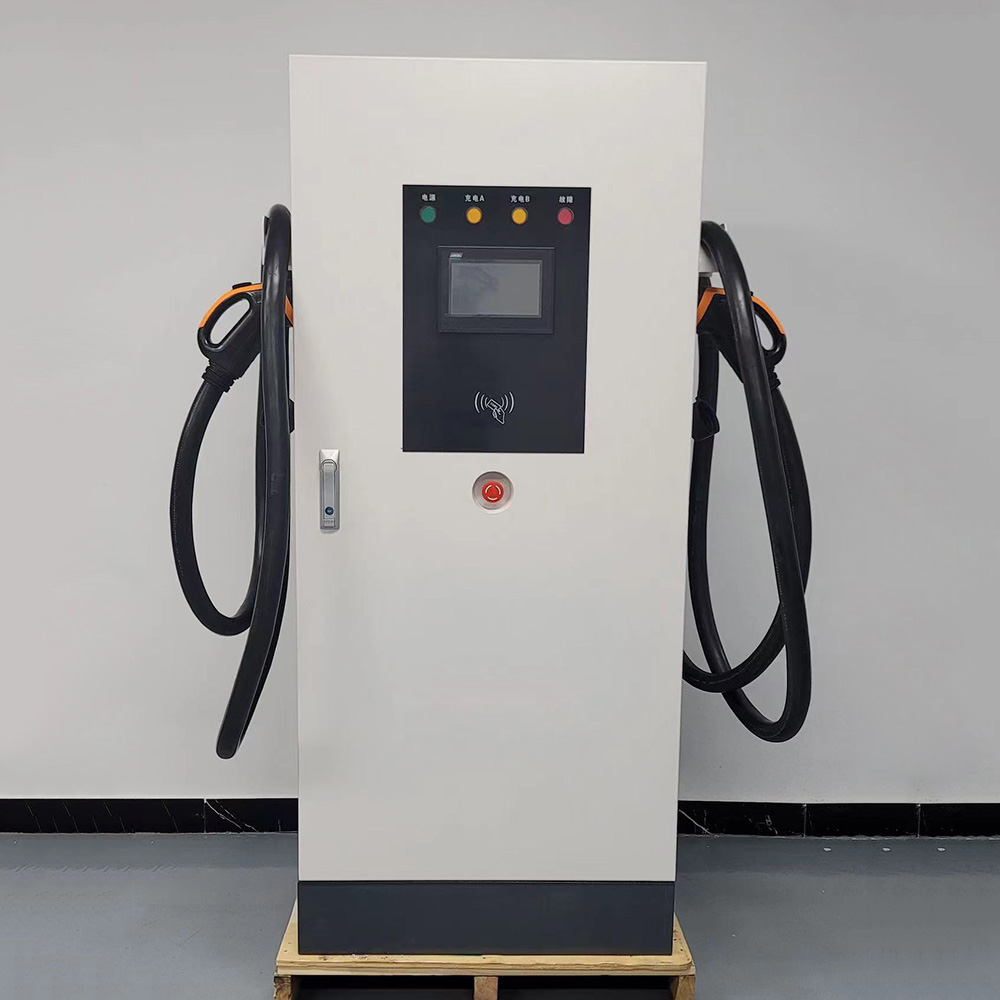
As global demand for clean energy solutions accelerates, the electric vehicle (EV) charging infrastructure market is experiencing significant growth. Among the latest developments is the increasing adoption of electric vehicle charging piles, an essential component for expanding EV use. These charging piles not only facilitate convenient charging but are also increasingly being integrated with renewable energy systems, creating a synergistic effect that promotes sustainable transportation and energy consumption.
One notable player contributing to this trend is Jiujiang Xingli Beihai Composite Co., Ltd., a leading Chinese manufacturer specializing in solar energy products. Renowned as one of China’s best suppliers of both monocrystalline and polycrystalline solar panels, Jiujiang Xingli Beihai Composite stands out for its comprehensive range of solar solutions. The company excels in producing high-quality solar batteries and solar modules and offers tailored on-grid and off-grid solar systems designed to meet diverse customer needs.
### The Rise of Electric Vehicle Charging Infrastructure
Electric vehicles are rapidly gaining popularity due to heightened environmental awareness, government incentives, and advancements in battery technology. However, the widespread adoption of EVs is closely linked to the availability of reliable and accessible charging infrastructure. Electric vehicle charging piles serve as critical nodes that enable vehicle owners to recharge efficiently, whether at home, workplace, or public locations.
Industry experts highlight that upgrading and expanding the charging network will alleviate “range anxiety” — a notable barrier to EV adoption. As a result, governments worldwide are allocating significant resources to build out EV charging stations, while private companies are innovating to provide faster, safer, and more user-friendly charging solutions.
### Synergizing Solar Energy and EV Charging
A compelling development within the EV ecosystem is the integration of solar power with vehicle charging stations. Using solar-generated electricity to power these stations reduces dependency on the grid, enhances energy independence, and cuts down carbon emissions. This approach is particularly advantageous in regions with abundant sunlight and less-developed electrical infrastructure.
Jiujiang Xingli Beihai Composite’s expertise positions it uniquely to capitalize on this opportunity. By combining its advanced solar panel manufacturing capabilities with its experience in on-grid and off-grid solar system deployment, the company delivers integrated solutions that power EV charging piles sustainably. For example, off-grid solar systems can be installed in remote areas or urban spaces where grid access is limited, enabling stand-alone EV charging stations powered entirely by clean, renewable energy.
### Leading the Solar Industry with Innovation and Quality
Jiujiang Xingli Beihai Composite has earned a reputation for quality and reliability in solar technology. The company’s solar panels — available in both monocrystalline and polycrystalline variants — cater to different efficiency and budget requirements. Monocrystalline panels are favored for their high efficiency and sleek design, suitable for limited-space applications, while polycrystalline panels offer a cost-effective option with solid performance.
Additionally, the company’s solar batteries and modules are engineered to integrate seamlessly with broader solar systems. This ensures that energy storage and power management meet the demands of both residential and commercial customers. By providing comprehensive on-grid solutions, the company helps clients feed excess solar power back into the electricity grid, optimizing energy use and financial returns. Meanwhile, off-grid systems offer independence where grid connectivity is obstructed or unstable.
### Market Outlook and Industry Impact
The convergence of EV charging infrastructure with solar energy technology represents a promising frontier. Analysts predict that the synergy between these sectors will continue to drive investments and innovations. Solar-powered charging piles are expected not only to support the growing EV population but also to contribute meaningfully to carbon emission reduction targets.
As part of this expanding market, Jiujiang Xingli Beihai Composite Co., Ltd. is well-positioned for growth. Its comprehensive product portfolio and commitment to both quality and environmental sustainability align perfectly with global trends emphasizing clean energy and green transportation.
### Conclusion
The electric vehicle charging pile sector is evolving rapidly, driven by the dual imperatives of expanding EV adoption and increasing renewable energy integration. Companies like Jiujiang Xingli Beihai Composite are at the forefront, providing robust solar solutions that empower EV charging infrastructure with clean, renewable power. Their expertise in producing monocrystalline and polycrystalline solar panels, coupled with advanced on-grid and off-grid systems, enables the delivery of sustainable and efficient charging options.
Going forward, the fusion of solar energy and electric vehicle technology represents a critical pathway toward a greener future. With continued innovation and collaboration, the adoption of solar-powered EV charging piles will likely become standard practice worldwide, supporting a cleaner environment and a more sustainable energy landscape.